As we age, many of us find that we experience some hearing loss. Conversation is key to social interaction, and our independence can be dramatically affected when hearing starts to fade.
The impact of hearing loss
Imagine gradually losing the ability to communicate easily with friends and family — not hearing your alarm clock in the morning, or no longer being able to enjoy music or the radio. As hearing becomes less sensitive, most aspects of life are affected. Some sounds are harder to hear than others, so social situations that were once relaxing become mentally tiring, and relationships can be strained.
How care at home can help
People experiencing hearing loss can begin to feel frustrated, disengaged, and sometimes depressed. Much of this can be overcome with help from a GP and a local audiologist — modern hearing aids are effective and cost-effective.
For those caring for people in their own homes, it is important to realise that signs of withdrawal, exhaustion, apparent misunderstanding or forgetfulness may actually be due to hearing problems. Encourage people to have their hearing tested; many audiologists will visit people at home.
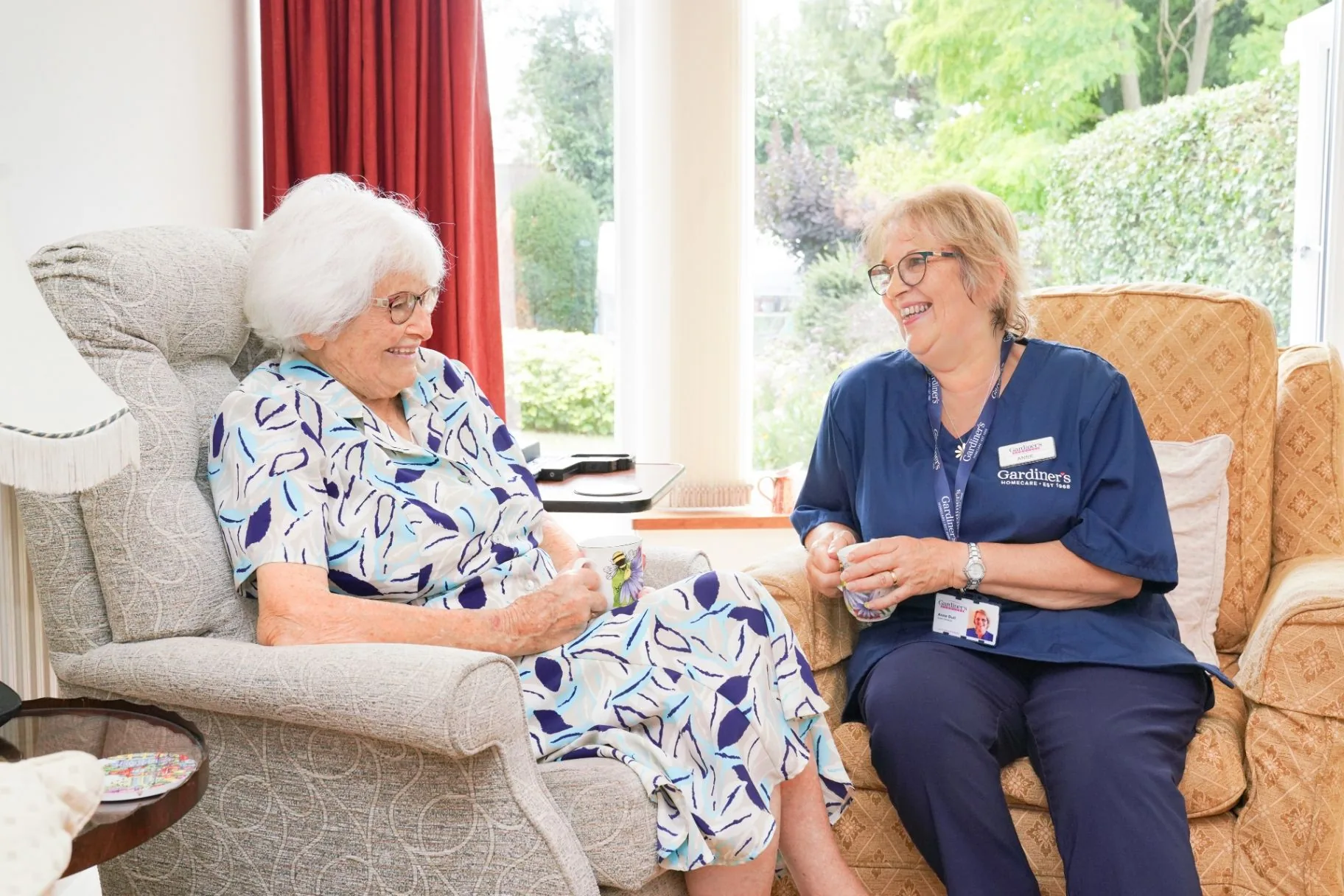
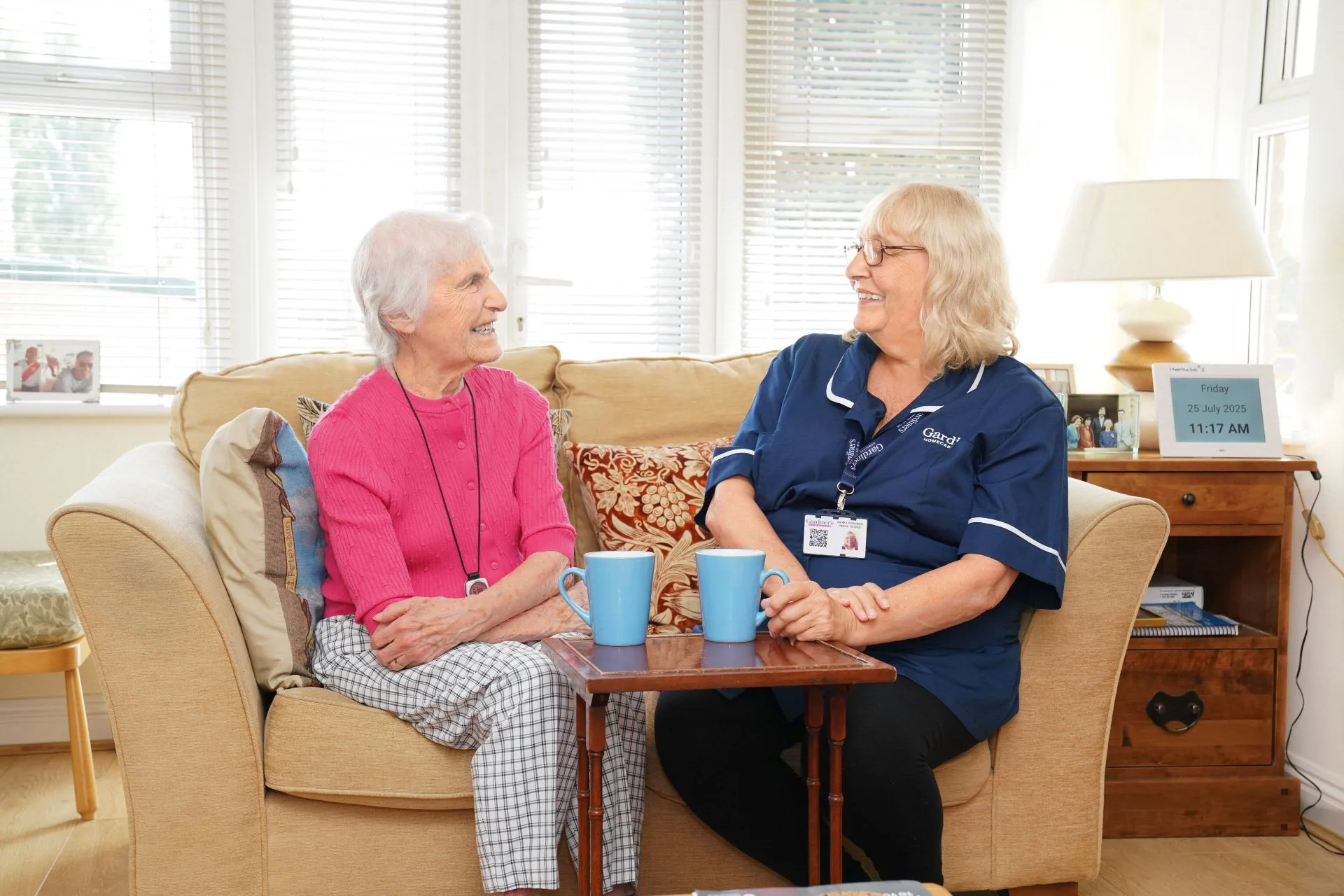
Care workers can make a real difference by providing support and encouragement to those who wear hearing aids — not only encouraging people to wear them, but also helping to check the batteries and keep the aids clean.
The BSHAA Guide to Better Hearing is well worth a read for more information.
Why not contact Gardiner's to see how we might be able to help you or a loved one.