Macular degeneration is the most common cause of visual impairment in older adults. We all reach an age where our sight stops being perfect. In the UK, it is estimated that over a quarter of a million adults suffer blindness because of macular degeneration. It develops when the part of the eye responsible for central vision (the macula) is unable to function as effectively as it used to.
Visit your GP or optician
If your vision is getting worse, it is important that you see your optician or GP. Where macular degeneration is suspected, you'll be referred to an ophthalmologist for tests and any necessary treatment.
How sight loss makes you feel
Wokingham Healthwatch recently asked the local macular degeneration support group about living with the condition, as well as how easy it was to access information and services locally. The study showed that macular degeneration is an experience of losses, with many of these losses leading to increased social isolation.
Those that have lost, or are losing, their sight may understandably find things difficult. It is common to feel shock, anger, fear, sadness or loss. Worrying about how you will cope, or feeling depressed about the changes you are facing, is also common. In these situations, it is important to recognise and talk to those close to you about your feelings and concerns. You can also contact the RNIB Helpline on 0303 123 9999.
Living with macular degeneration
Many people make adaptations to their daily-living activities and seek to find ways around difficulties in order to maintain independence and enjoy life as fully as possible. Detailed below are some of the resources that can be drawn upon to help.
Reading
- RNIB's Talking Books service has thousands of titles available free of charge.
- RNIB's Library has a huge range of books available in braille or large print.
- Talking Newspapers supply audio versions of a range of local and national newspapers.
Lighting & magnification
A small magnifying glass and a special light can help people to see much more clearly. The RNIB supply a range of lighting and magnification solutions. Simple changes such as replacing regular light bulbs with daylight bulbs, or adding a floor light to frequently used rooms, can make an immediate difference.
Eyeshields and sunglasses
Sometimes ordinary sunglasses make things too dark. When worn outside, golden glasses take the glare away without taking any of the light. It is important to protect your eyes from harmful light. Specialist glasses and eyeshields are designed to exclude harmful ultraviolet (UV) and blue light, which can damage the retina, while different filter tints can help increase contrast and definition.
Labelling
Labels allow people with sight difficulties to find and use their belongings and appliances. The RNIB sell a range of labelling solutions including audio or braille labels. Labels can be used to identify food, medication and utensils. They can also provide instructions for appliances, recipes and laundry. Tactile dots in the home can help people to find the right settings on their oven or microwave. There are even talking microwaves and talking scales.
Making others aware
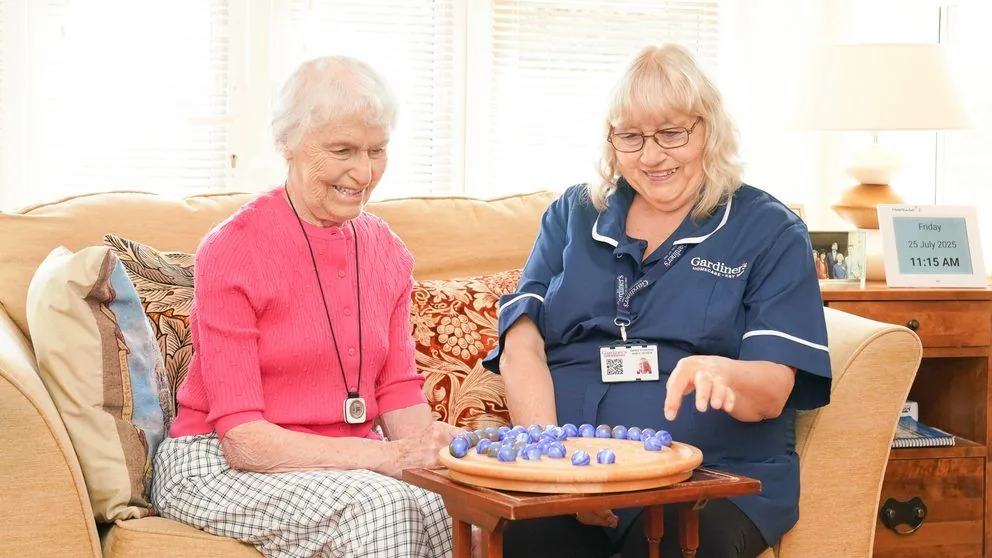
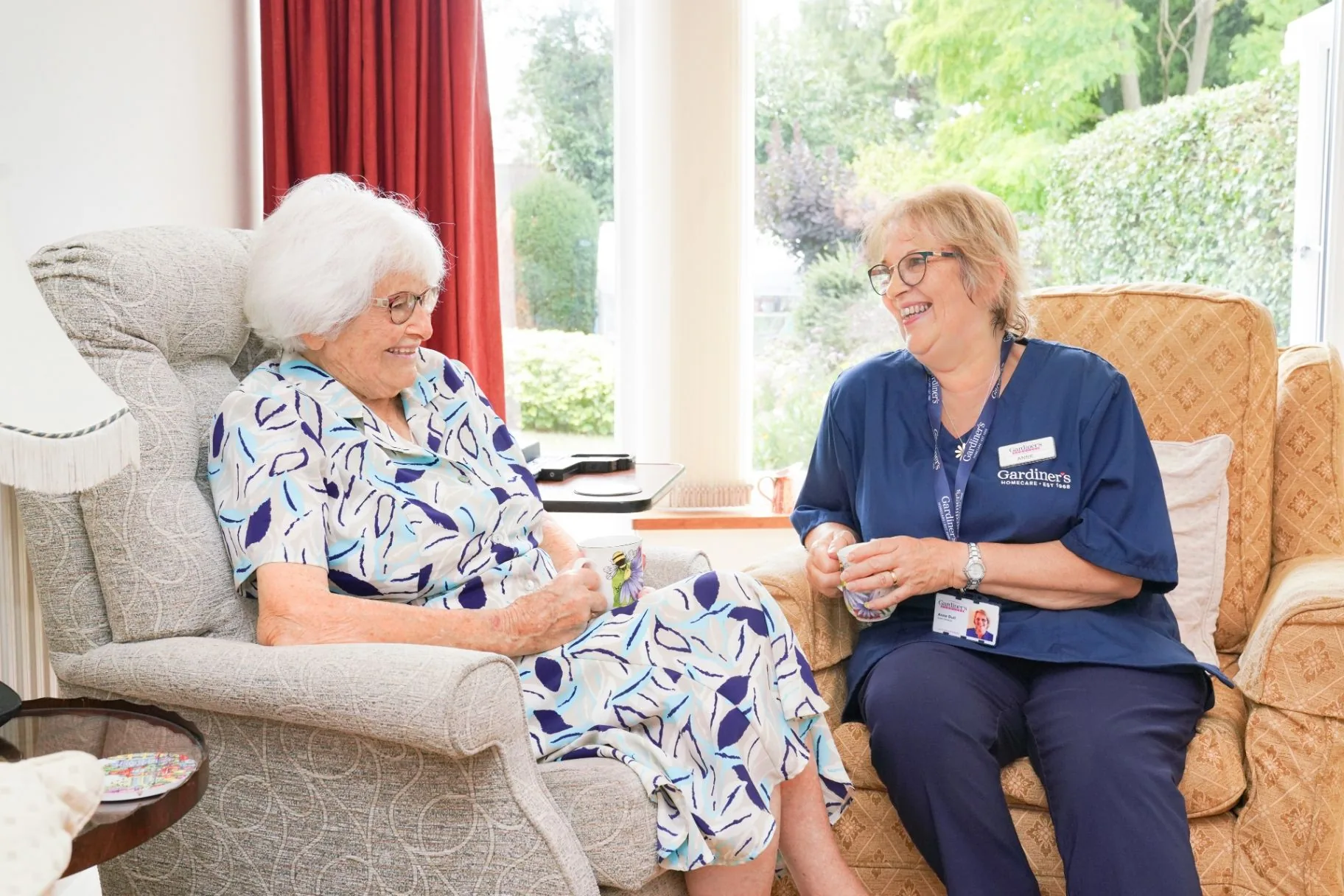
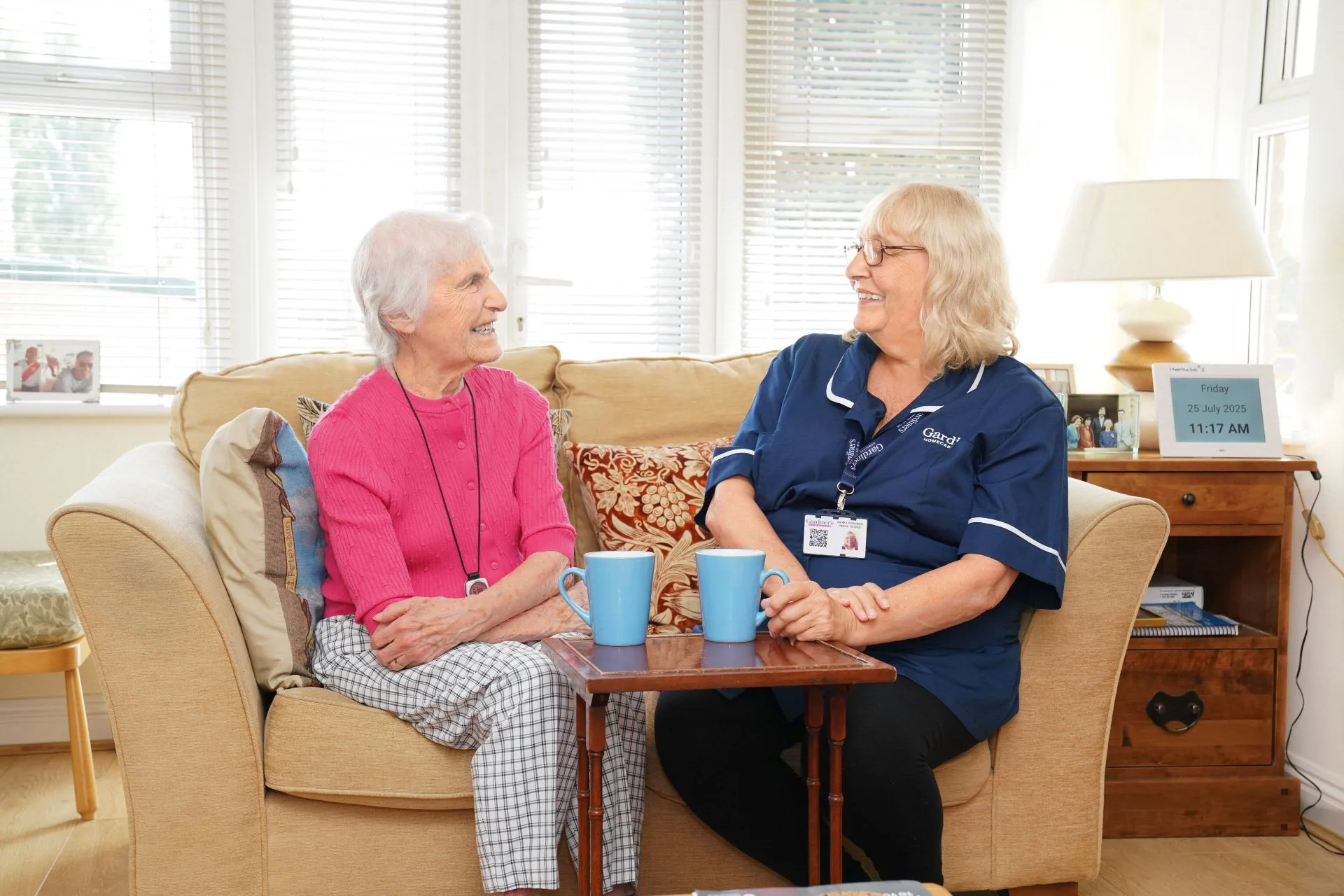
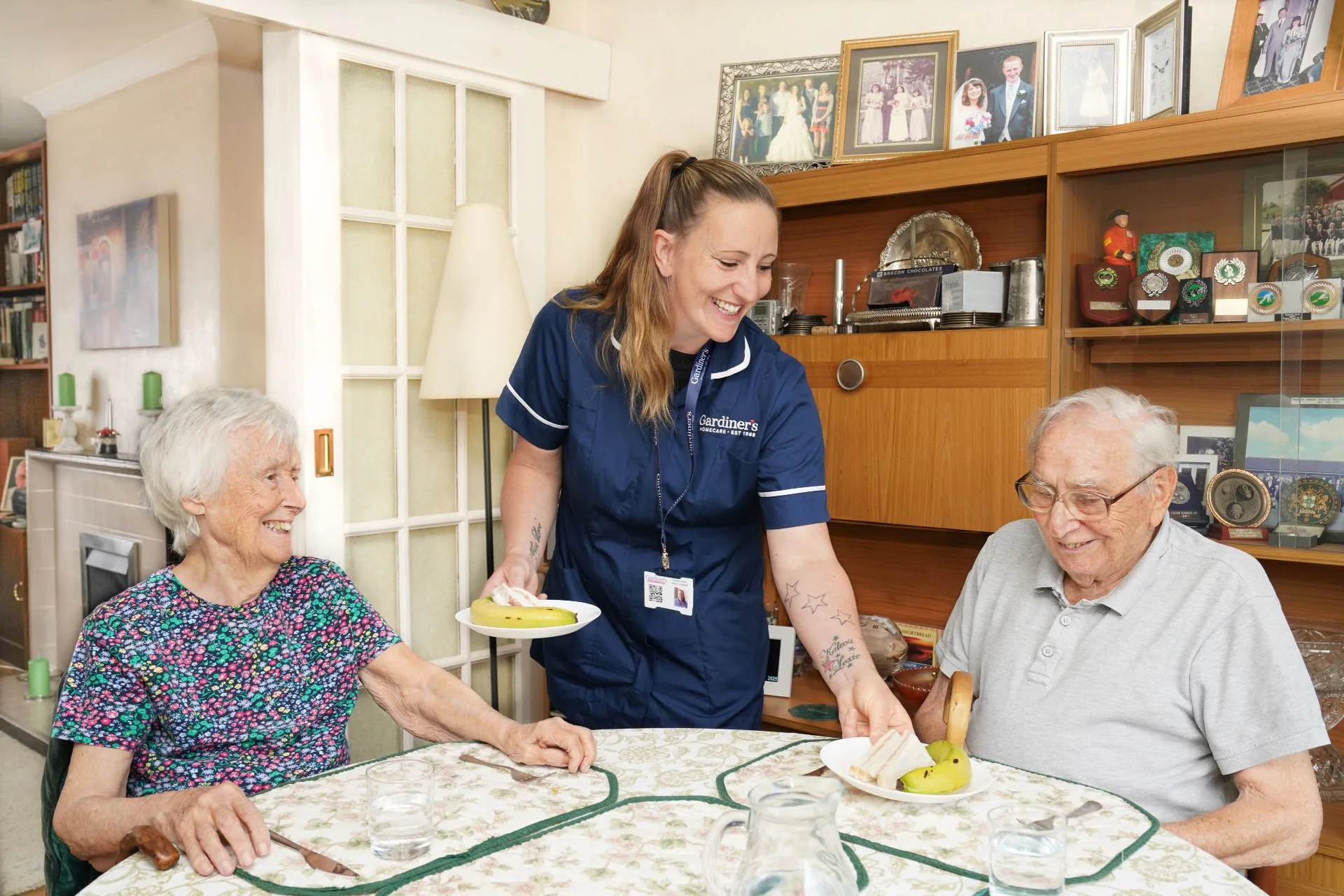
When out and about, one option is to use a symbol stick, which gives the user confidence because it makes other people aware. Perhaps asking a carer from Gardiner's to accompany you on an outing is all that you need to get out and about.
Benefits and concessions
If your sight is impaired you may be entitled to:
- Blind Person's Tax Allowance
- Television licence fee reduction
- Blue Badge scheme — car parking
- Free postage — "articles for the blind"
- Free NHS eye examination
- Disabled Persons Railcard
- Free bus travel
- Free directory enquiries
- Cinema pass for a carer
- Protection under the Equality Act
- Assessment by social services
- Personal Independence Payment (PIP), Attendance Allowance and Carer's Allowance
- Employment and Support Allowance, Tax Credits and Universal Credit
- Housing Benefit and Council Tax disability reduction
- Pension Credit
- Free ticket for a guide at theatres, galleries or tourist attractions