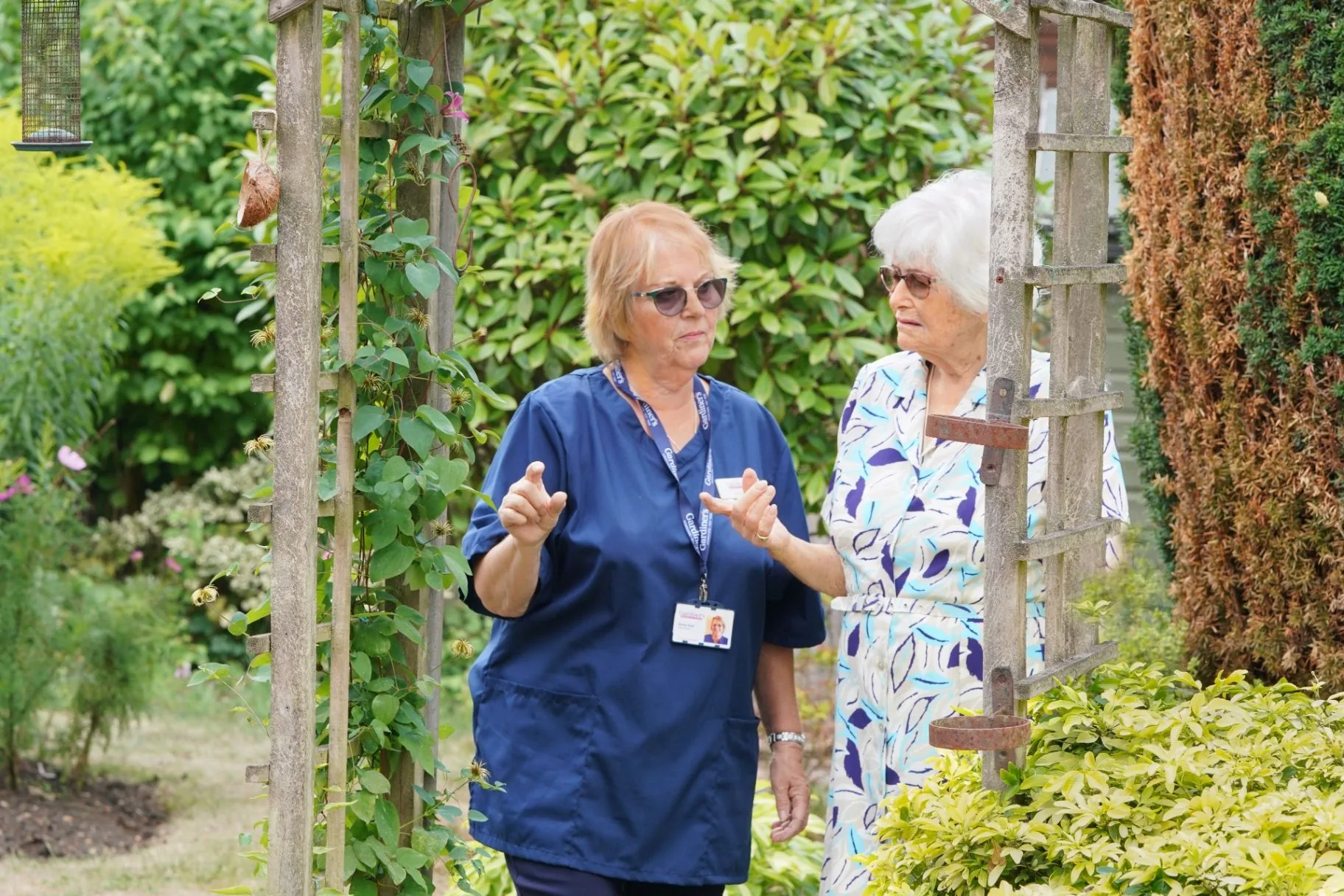
Vitamin D helps to keep our bones, teeth and muscles healthy, and supplementation can sometimes make good sense for older people.
Where do we get vitamin D from?
Our bodies produce vitamin D when direct sunlight reaches the skin while we are outdoors. From spring through to the end of summer, most of us get enough vitamin D from sunlight alone. However, from October to early March, we tend not to get enough.
Vitamin D is also found in a small number of foods, such as oily fish (salmon, sardines, herring and mackerel), red meat, liver, egg yolks, and fortified spreads or breakfast cereals. For many people, dietary supplements are a helpful third source, especially during the winter.
The signs of deficiency
The signs and symptoms of vitamin D deficiency include fatigue, bone pain, muscle weakness, aches and cramps, mood changes such as depression, nausea, cognitive difficulties and frailty.
Older people are at higher risk, as they tend to spend less time outdoors — and as we age, the skin produces less vitamin D. Muscle weakness and aches can make people want to stay indoors, which in turn can lead to difficulty standing and climbing stairs. Falls become more likely, and because deficiency softens the bones, injuries and fractures can be more serious.
Taking supplements safely
Vitamin D is a crucial part of healthy ageing. Taking 10 micrograms (400 IU) a day between October and early March will help to keep bones and muscles healthy.
Some people may benefit from supplements year-round — for example, if they are frail or housebound and rarely outdoors, usually wear clothing that covers most of their skin, or have dark skin.
Excessive vitamin D over a long period can weaken bones and harm the kidneys and heart, and some medical conditions mean a person may not be able to take as much safely. If in doubt, consult your doctor and follow their advice. You cannot overdose on vitamin D through sunlight, but always protect your skin if you are out in the sun for long periods.
The team at Gardiner's will be happy to help you speak with your GP if you think vitamin D supplements might benefit your health.